Outside of New York City’s infamous “Five Families” and another Family based upstate in Buffalo, NY, the Angelo Bruno Family of Philadelphia has arguably been one of the more vibrant and active Cosa Nostra borgatas in U.S. history.
With a traditional 1940s-1980s membership thought to have hovered at around 75-100 inducted soldiers, a hundred or more “proposed” associates of Italian ethnicity waiting in the wings to be brought into the fold, and hundreds more second-tier associates of varying ethnicities, Philadelphia’s Cosa Nostra was always a formidable bunch. Although this Mafia Family has most often been identified with their 1960s-1970s leader Angelo Bruno Annaloro, both before and after Bruno’s reign, this particular borgata produced a long line of important leaders and had a rich history.
The original founding father of this Cosa Nostra network was thought to have been Salvatore Sabella, a Sicilian-born mafioso from the historic Mafia-laden town of Castellammare del Golfo on the Mediterranean island’s northwestern coastline. Sabella’s appointment was allegedly orchestrated by the infamous Mafia leader Salvatore (Don Turiddo) Maranzano. But sources say Sabella was a weak leader and was soon replaced with Giovanni (Big Nose John) Avena, who led the troops for the next five years until he was murdered.
Over the next decade or so, Philadelphia’s Cosa Nostra was then led by Giuseppe (Joe) Dovi. Around 1946, another low-key mafioso by the name of Giuseppe Ida was named “Capo Famiglia.” He quietly led the membership until the late fifties.
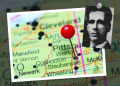
Then, shortly after sixty fellow mafiosi were nabbed during the infamous Upstate New York “Apalachin Meeting” on November 14, 1957, Ida allegedly called it quits and retired back to his native Italy after witnessing the law enforcement heat the Apalachin debacle had brought his “Brotherhood.” This watershed event started an unprecedented assault by the federal government to seriously investigate the Cosa Nostra.
Ida’s departure created a vacuum in the Philadelphia Mafia that was filled by a veteran member of the Family by the name of Antonio Pollina who became the next acting boss. But over the next year or so, turmoil started to develop within the borgata. Tensions developed between Pollina and a fellow member by the name of Angelo Bruno, a respected young mafioso who was quickly rising within the Family. He was a man whom Pollina grew to dislike and become jealous of.
Word eventually reached Bruno through the underworld grapevine that Pollina planned to have him murdered to eliminate any potential competition. Instead of taking matters into his own hands, mob lore has it that Bruno drove directly to New York City and brought a formal complaint against Pollina before the Mafia’s high “Commission.”
Pollina was subsequently called “on the carpet” to explain his actions. When his answers were not to the satisfaction of the bosses, he was then quickly deposed from leadership and his position was given to Angelo Bruno who was then ratified as Philadelphia’s new “Capo Famiglia.” Bruno was also given the privilege of having Pollina murdered for his indiscretion. But Bruno’s next move showed the savvy operating style and type of leader he was to become. He declined to have his adversary killed, choosing instead to allow Pollina to remain a soldier in good standing within Bruno’s new administration.
This show of benevolence did not go unnoticed within the ranks of Cosa Nostra. Bruno gained the respect and admiration of his fellow mafiosi with such a showing of strength, confidence, and a business-like management style. It served Bruno well for the next two decades.