During the “Bonanno War” years and directly thereafter, from 1966 to 1971, many active members and associates from New York City’s five boroughs and outer environs — Long Island, Westchester, and NJ — who were subpoenaed to testify before both the Nassau and Kings County grand juries probing the Family’s operations, gangland murders, politics, and structure found themselves buried under so-called “contempt of court,” “criminal contempt,” or even “civil contempt” charges.
Frustrated law enforcement authorities, hampered in their efforts to probe the Family and stop the wanton gangland violence, had started to subpoena the Family’s membership and various associates from the other four Families in an attempt to curtail their activities and stop the war and the resultant killings.
First among equals in this effort was Nassau County’s top prosecutor, D.A. William Cahn. A man with political aspirations, he would become a famed “mob-buster” during these years, building his reputation by harassing and cracking down on the mob.
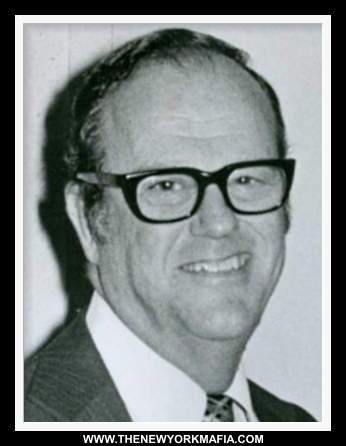
Close behind Cahn was Brooklyn D.A. Aaron E. Koota, who “jumped on the bandwagon” and wanted some of the positive publicity that the Nassau D.A. was garnering. Cracking down on the so-called Mafia was very en vogue in this era, as it would be under prosecutors Denis Dillon, Tom Puccio, and Rudy Giuliani in the coming years.
But this is where it started in earnest for the NYC area, under the local D.A.s in Nassau, Brooklyn, and Manhattan.
Although the various “contempt” charges carried only a measly 30-day sentence and a paltry $250 fine, a little-used provision in the law books was “dusted off,” which allowed prosecutors to recall witnesses before the same grand jury over and over, ask the same exact questions, and recharge those same witnesses with another fresh contempt arrest.
The subsequent result was that mob figures — and others — were repeatedly hauled before these grand juries and jailed with back-to-back 30 days.