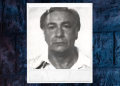
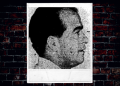
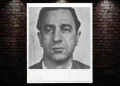
Jimmy Genna was a Bonanno Family soldier who was active in a variety of rackets including sports bookmaking, fencing of stolen goods, counterfeiting, and hijacking. He also owned a construction company in Amityville, New York which ended up going out of business because of the mysterious murder of a union official in 1956.
Joseph (Jimmy) Genna was born in 1916 in the Williamsburg section of Brooklyn. He later lived with his parents in the Cypress Hills section of Queens. By 1935, he was living in Jamaica, Queens, and by the early 1950s, he again relocated to Seaford, Long Island.
He was reportedly was a very vocal champion of a youth center to curb delinquency in his Seaford Community.
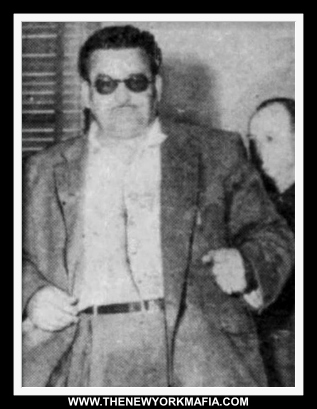
Genna was an inducted soldier in the Bonanno family. He was the brother-in-law of Sereno (Bobby T) Tartamella, who was also a soldier in the Family, and the son-in-law of Family consigliere John Tartamella.
His associates included Bobby T, Nicholas DeStefano, Michael Casale, and Anthony and Gaspare DiGregorio.
Jimmy Genna was active in card games, sports bookmaking, fencing of stolen goods, counterfeiting, and hijacking. He also owned and operated a meat market in Seaford New York, a Construction Company, and a tavern.
In 1936, Genna was arrested and convicted of second-degree manslaughter after he and two others beat a union foreman with a pipe. The man died soon after being transported to a hospital. The two other men involved in the assault were never caught but Genna was sentenced to 7-1/2 years in Sing Sing after his conviction.
An active bookmaker for decades, Jimmy Genna got his first pinch for bookmaking in 1943. In 1948, he was charged with counterfeiting in West Virginia.
By 1952, he was listed as the president of the B & G Construction Company, a concrete plant located in Amityville New York. In 1956 the company was forced out of Amityville because of violations of village laws. The company went completely out of business in early 1958.
And this is why.
The Mystery Begins
In the early morning hours of October 25, 1956, Edward Murtha, a union official for the Suffolk Council of Carpenter’s and Joiners Local #1837, was found murdered in his Babylon office. He was shot once in the back of the head and twice under his chin.
Genna was questioned extensively about Murtha’s murder. He had connections with Murtha through his B&G Concrete Company and was also serving as an official of the union. But it was because of a man named Julius Klein Jr. that police started looking more closely into Jimmy Genna. Klein was an intimate of Genna and had also been hired by Murtha as an armed bodyguard.
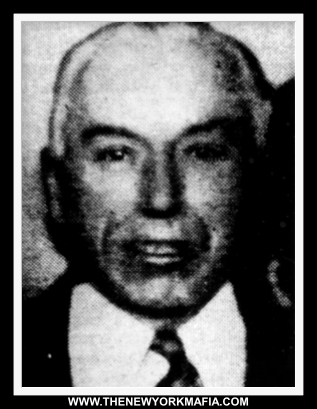
In 1956, Klein was charged with assaulting a B&G truck driver because he was making noise about the company violating union contracts. In fact, authorities later said that Murtha often overlooked B&G’s violations of its contracts with the union.
Klein ended up getting convicted for the assault and was sentenced to a 4 to 10-year term in Clinton State Prison in Dannemora New York. And it turns out, Jimmy Genna had paid for Klein’s legal fees.
In 1957, about a year into his prison term, Klein gave secret testimony before John McClellan’s Senate Rackets Committee about the mob’s infiltration into labor unions. Klein had testified that Jimmy Genna was responsible for a welfare fund shortage in the union and that Murtha may have been killed because he was resisting the mob’s attempt to take that union over.
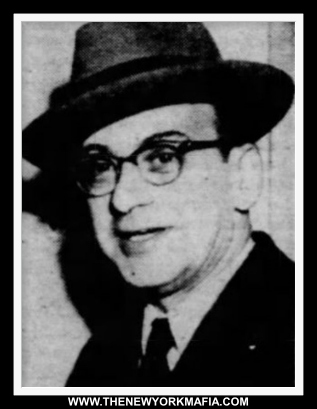
During Klein’s secret testimony, he claimed that Genna was doing favors for Genovese capo Anthony (Tony Bender) Strollo by adding some of Strollo’s friends to B&G’s company payroll.
Genna was called before the Committee to answer Klein’s accusations but he did so out in the open, not in secret like Klein had done. He denied it all but later ended up getting indicted for defrauding the Union’s pension and welfare fund of one thousand dollars. He apparently was rigging payroll records and pocketing the cash.
In a twist, Klein was also charged with Genna in this fraud.
But this story gets better.
The Inside Scoop
In August 1959, Klein and his father Julius Klein Senior testified before a Suffolk County Justice Court about the Murtha murder. They had, according to them, the inside scoop. They claimed they were part of a plot to scare Murtha into giving up control of the union and brought a guy into the plot by the name of Max Graf who had “connections,” so to speak.
Graf was an ex-convict born in Russia, an alleged strong-arm for the mob, and a jukebox operator. He also just happened to be not only a former business associate of Tony Bender but also his next-door neighbor. Graf also apparently knew Willie Morretti and John the Mortician Robillitto, the suspected killer of Morretti. And Graf only lived a block from Julius Klein Jr.
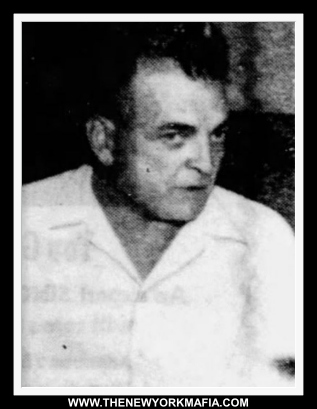
The Kleins testified that murder was never supposed to be part of the plot to gain control of the union. After Murtha was killed, they immediately went to Graf in a panic to find out what happened. And that’s when Graf spilled the beans about the mysterious murder of Edward Murtha, at least according to the Kleins.
The Kleins testified that Graf told them that on the morning of the murder, his brother-in-law Anthony (Tony Plate) Plata, a Gambino soldier who lived in Miami, drove him to Murtha’s office to convince him to turn over control of the union. But Murtha wouldn’t cooperate and so Graf killed him. Plate had been waiting in the getaway car until Graf finished his business.
Soon after the Kleins told this story, Graf was arrested and charged with Murtha’s killing. He claimed innocence which might have been why police described him as “cool as a cucumber” when they arrived at his home the morning of his arrest. So, cool, calm, and collected, in fact, that he offered to make the cops some coffee.
But as it turned out, the Kleins’ story was nothing but a lie. Or something like that.
Three months, after being arrested for Murtha’s murder, the charges against Graf were dropped. The elder Klein had refused to give further grand jury testimony about the killing.
Klein Jr. had no such issue but was accused of cooperating with the prosecution in exchange for suspended sentences for two convictions he had for petty larceny and unlawful entry.
Klein Sr. ended up recanting his story, telling that same grand jury that he didn’t know anything about the murder and that Graf had never confessed anything to him. He was immediately indicted for having perjured himself on four occasions.
A Clean Plate
After all these pieces fell into place, Tony Plate decided to make a voluntary appearance before the Suffolk District Attorney. He denied any involvement in Murtha’s killing.
Apparently, Plate had gone into hiding when Florida police began hunting him after Graf was arrested. But Plate never disclosed to authorities why he had disappeared or where he was for all that time. He only proclaimed his innocence. He even agreed to give testimony before the grand jury, but there was no need. With no witnesses and no murder weapon, the Grand Jury was disbanded. Graf and Tony Plate were free men.
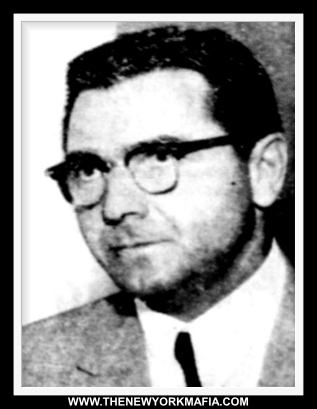
The elder Klein ended up going into hiding himself for fear of retaliation for falsely implicating the mob for murder, but his son had no such reservations, telling reporters at one point that he wasn’t concerned.
“Sure they’re sore, but what do I care?” he said. “If they’re sore enough, let them come and find me. I’ll be here.”
In 1962, Klein Sr. pleaded guilty to perjury and was sentenced to 2-1/2 to 10-years in prison, but his sentence was suspended and he was given 10 years probation. Julius Klein Jr. pleaded guilty to his charges and got a suspended sentence as well.
And Jimmy Genna, who started us on this sordid path, pleaded guilty to bilking the union’s pension and welfare fund. He, too, received a suspended sentence. Tony Bender disappeared in 1962 and was never seen again. Anthony Plate went missing in 1979. Jimmy Genna is believed to have died in 1997 though no definitive date of death was available.
And Edward Murtha? His murder has never been solved.